
Bella Vista: Built on a View — Growing With Purpose, Keeping the Village Vibe
Last week our team toured the Bella Vista Historical Museum, and we walked out with a deeper appreciation for just how intentional this community has always been.
Bella Vista didn’t “happen” by accident. It has reinvented itself more than once—each time shaped by the same core ingredients: natural beauty, a strong sense of place, and people who chose to build a life here.
A community shaped by land, water, and vision
Long before Bella Vista had neighborhoods, lakes, or trail maps, this area sat within the Ozark Plateau, home to multiple Native groups, including the Osage, Caddo, and Quapaw. Treaties in the early 1800s transferred millions of acres of Native land titles to the U.S. government, and a portion of that land eventually became what we now know as Bella Vista.
Then, in 1915, Bella Vista’s modern story truly began to take shape. A Benton County Presbyterian minister, William S. Baker, and his wife Mary set out to create a summer recreation destination—complete with a lake created by damming Sugar Creek, plus plans for tennis courts, golf, and hundreds of lots. A naming contest selected “Bella Vista,” meaning “beautiful view.”
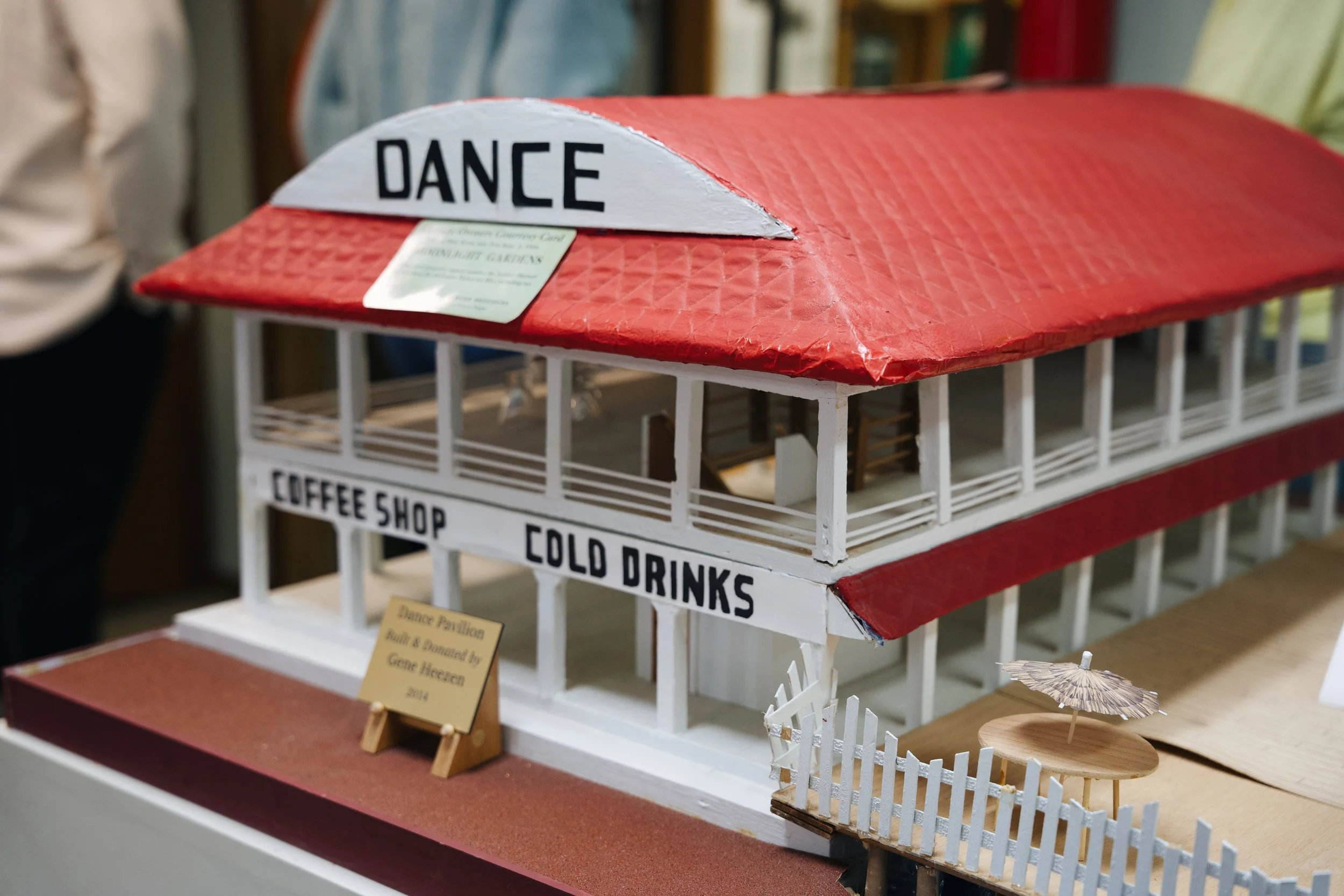
By 1917, the Linebarger Brothers Realty Company purchased the resort and expanded amenities over the next decade: a golf course (1921), a large swimming pool (1924), the Sunset Hotel (1929), and even a cave nightclub called “Wonderland” (1930).
The “Next Chapter” Has Always Been Part of Bella Vista
As travel patterns and the economy changed, the resort era declined. But Bella Vista adapted again. In the 1950s, the property shifted toward a “family resort” model under new ownership, and in 1965 it entered one of its biggest transformations: John A. Cooper Sr. began developing Bella Vista as a planned “graduated retirement” community—inviting people to buy lots and grow into a long-term life here.
And then, in 2006, residents voted to incorporate—moving Bella Vista into a new civic era, with city government taking on essential municipal functions while the POA continued managing amenities.
"It was only after I had lived here for a number of years and found out about Bella Vista's interesting and unusual history," says resident Xyta Lucas. "Meaning that it didn't start like most towns alongside a river or a railroad; it evolved over 100 years into the City it is today."
That pattern—vision, reinvention, stewardship—is not new here. It’s the throughline.
Why The Museum Matters (And Why We Started There)
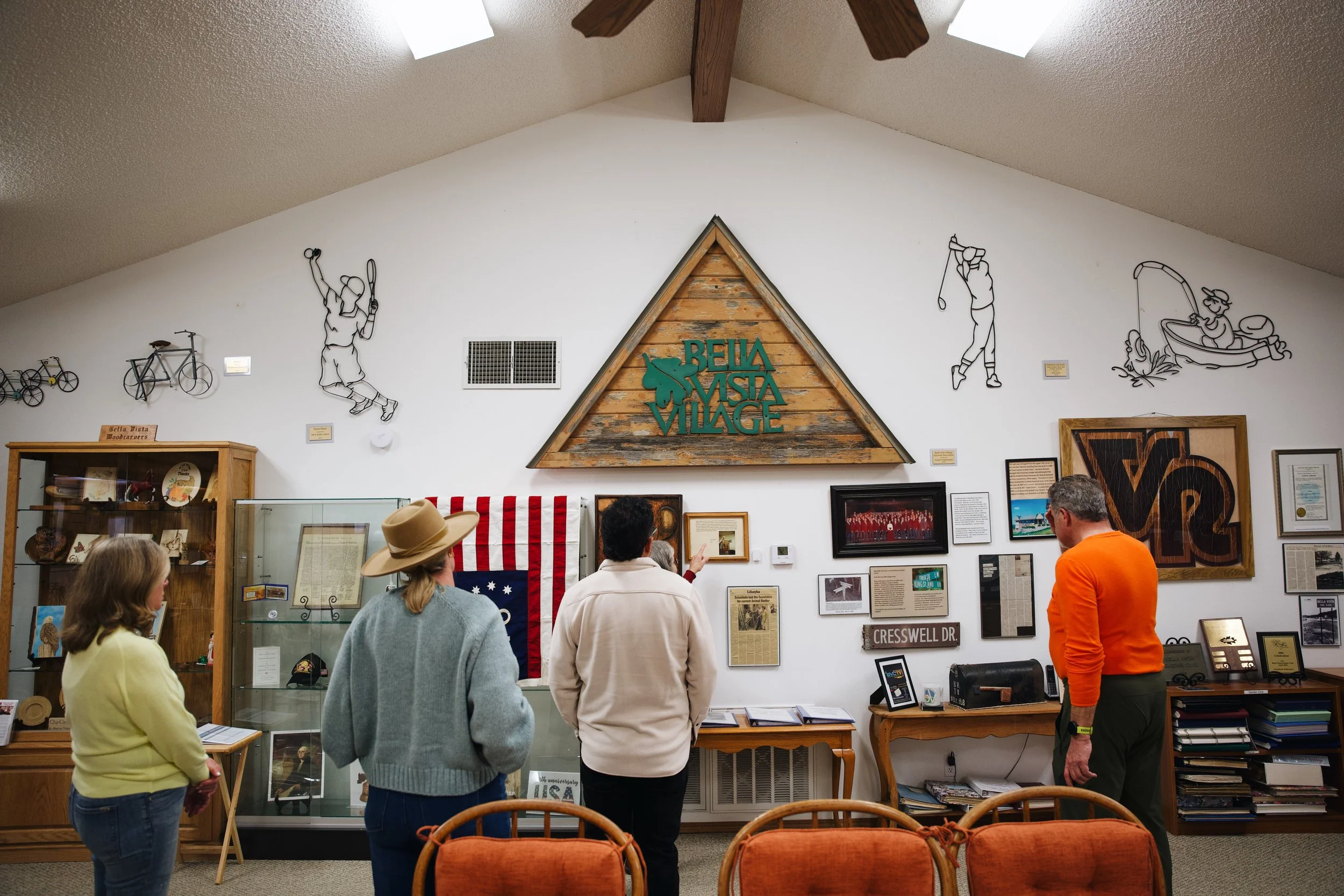
The Bella Vista Historical Museum doesn’t just preserve artifacts; it preserves context.
The museum’s exhibits span Native history, early settlers, farming roots, the resort years, the Cooper years, and the present-day city. Walking through it, you feel something important: Bella Vista’s identity isn’t only “outdoor recreation” or “growth.” It’s belonging. It’s story. It’s neighbors.
For many, that identity is inseparable from the landscape itself. Resident Deborah Lukotch, who has called Bella Vista home since 1999, recalls being immediately drawn to the environment.
"It was the natural beauty—everything from the hills to the trees and the critters—that first drew me in," Deborah says. "I am totally in love with the lakes and all the outdoor recreational activities available."
Our commitment: growth that feels like Bella Vista
Bella Vista is growing—more families, more commuters, more visitors, more activity. That’s exciting. It also comes with a responsibility: to protect the “village vibe” that makes this place feel like home.
That’s where active mobility infrastructure and community-building come in. When we talk about active mobility, we’re not just talking about bikes. We’re talking about:
Connecting neighbors and neighborhoods so daily life is less car-dependent and more human.
Safer options for kids, families, and older adults to move around confidently.
Access to parks, lakes, schools, trailheads, and local destinations in a way that supports health and independence.
Design choices that honor place—where improvements feel like they belong here, not imported from somewhere else.
As Deborah Lukotch notes, this evolution toward better trails and connectivity is simply the latest iteration of a long-standing local passion:
"Throughout all of Bella Vista's chapters, from resort community to retirement village, becoming a city, and now moving forward with so many beautiful trails for biking and hiking, one thing has been the common thread... the love of the great outdoors."
What We’re Starting and Supporting Now
In the months ahead, you’ll see us showing up in two ways:
Supporting smart, context-sensitive infrastructure Projects that prioritize safety, connectivity, and comfort—so people can choose to walk, bike, or roll for short trips without it feeling risky or confusing.
Building community through movement Because infrastructure alone doesn’t create culture. Neighbors do. Group rides, walking meetups, “hello” moments at crossings, and shared pride in local places are what turn lines on a map into real connection.
As Xyta Lucas puts it, the draw remains simple but powerful: "What I like best about Bella Vista is the scenery—all the hills and trees—as well as the short winters."
An Invitation
If Bella Vista’s history teaches anything, it’s that this community thrives when people participate in shaping it.
So consider this an open invitation: share what you love about Bella Vista’s “village vibe,” the places that matter to you, and what connections you wish felt easier—between streets, trails, neighborhoods, and daily destinations.
We’re here to embrace Bella Vista, support its continued growth, and honor what makes it uniquely Bella Vista—built on a view, and built for people.