
Our team’s participation in the Arkansas Graveler this October offered a valuable perspective on the relationship between outdoor recreation and community development.
The event’s Delta Blues Edition brought riders through the Arkansas Delta October 6–10, connecting an outdoor experience with the communities, landscapes, and culture along the route. Produced by the Ozark Foundation, the Graveler creates an invitation to experience a different region of Arkansas by bicycle.
For Arkansas Moves, that experience brings an important question into focus: How can communities turn interest in riding through a place into meaningful opportunities for the people who live there?
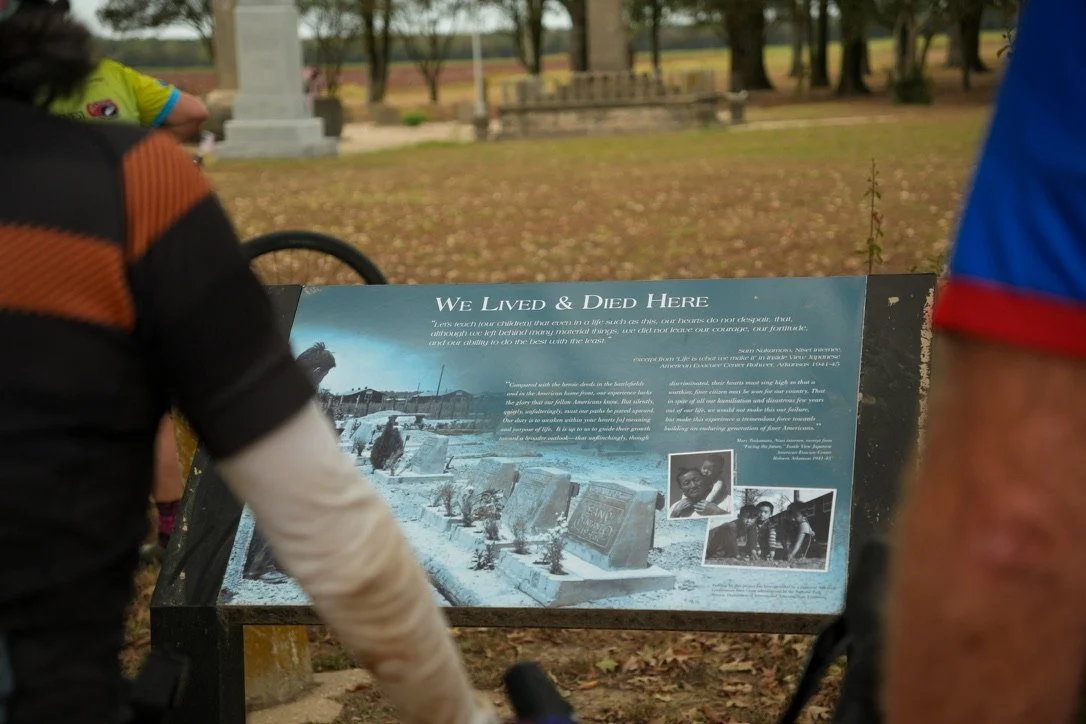
A visitor might need a meal, an overnight stay, a repair, or supplies. A local entrepreneur might see an opportunity to offer those services. Whether those connections happen depends partly on how comfortably people can reach businesses, find information, and explore beyond the route itself.
That is where infrastructure and community collaboration meet.
Andy Chasteen, Marketing Director at Trailblazers, describes the opportunity:
“Any route or trail or road that offers a recreational experience for a rider or hiker or even a horseback rider gives a unique opportunity for that area to show off the natural beauty and local flavor of the region. It gives the community the opportunity to provide local hospitality in the way of entertainment, food, lodging, effectively educating visitors on the local culture while at the same time providing a boost to the local economy. Stories told, good food had, new friends made.”
The approaching completion of the Delta Heritage Trail offers an opportunity to support those connections across the Arkansas Delta.
A new connection for the Delta
When complete, the Delta Heritage Trail will extend 84.5 miles between Lexa and Arkansas City. Its segments include connections through or near Barton, Lake View, Elaine, Mellwood, Snow Lake, Watson, and Rohwer. Arkansas State Parks currently lists 74.1 miles complete.
A continuous route creates the possibility of longer visits, different itineraries, and new reasons to return. For communities along the corridor, that could mean opportunities for lodging, food, shuttle services, bicycle repair, and other locally owned businesses.
Those opportunities will look different in each place. One town may want to help an existing restaurant reach trail visitors. Another may identify a need for overnight accommodations. Residents may prioritize a comfortable connection between their neighborhood and the trail.
The people who live and work along the corridor should help determine what comes next.
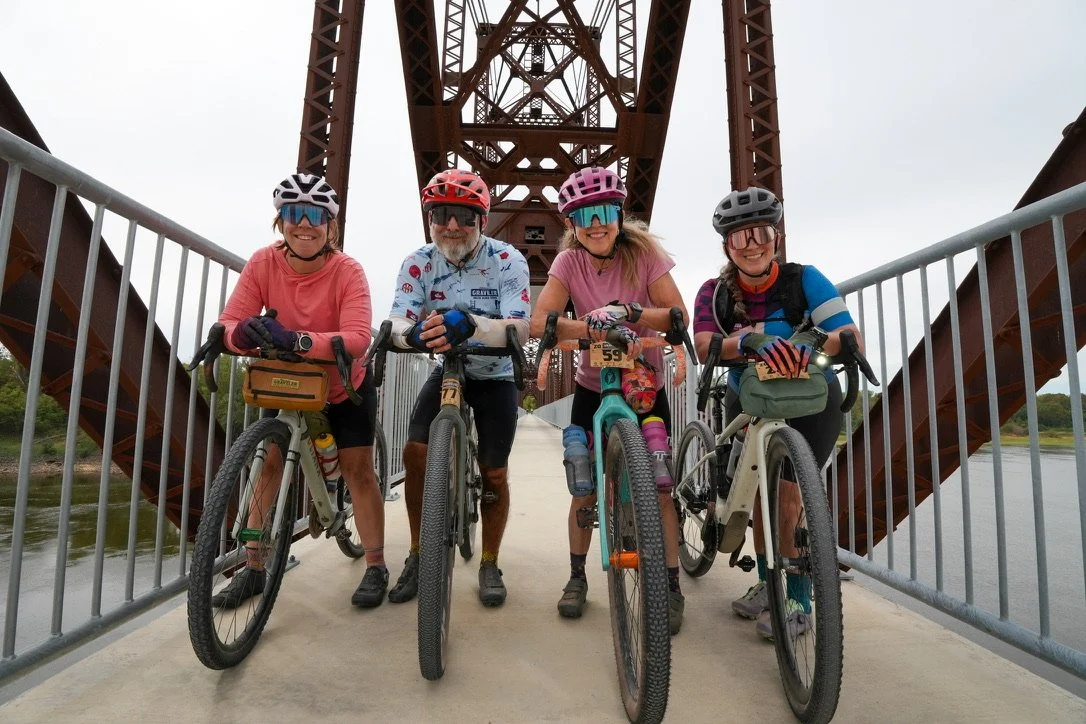
Helping visitors become customers
A trail can bring someone close to a community. Welcoming them into that community takes additional work.
Can a visitor find the town from the trailhead? Is the connection comfortable to walk or bike? Are businesses easy to locate? Is there somewhere to park a bicycle, refill water, or find reliable information?
These details influence whether someone stops, explores, and spends time locally.
Bobby Finster of Arkansas Graveler describes how that welcome took shape along this year’s route:
“Local communities played a huge role in shaping this year’s Arkansas Graveler experience. Rather than simply riding through towns, participants were welcomed by people who wanted to share their communities and stories. In Marianna, members of the Baptist Church worked to connect riders with local leaders so they could learn more about the history and culture of the community.
Along the route, local businesses also helped create memorable experiences. Stops like Jones Bar-B-Q gave riders a chance to experience authentic Delta food and hospitality while connecting with the people who make these communities special.
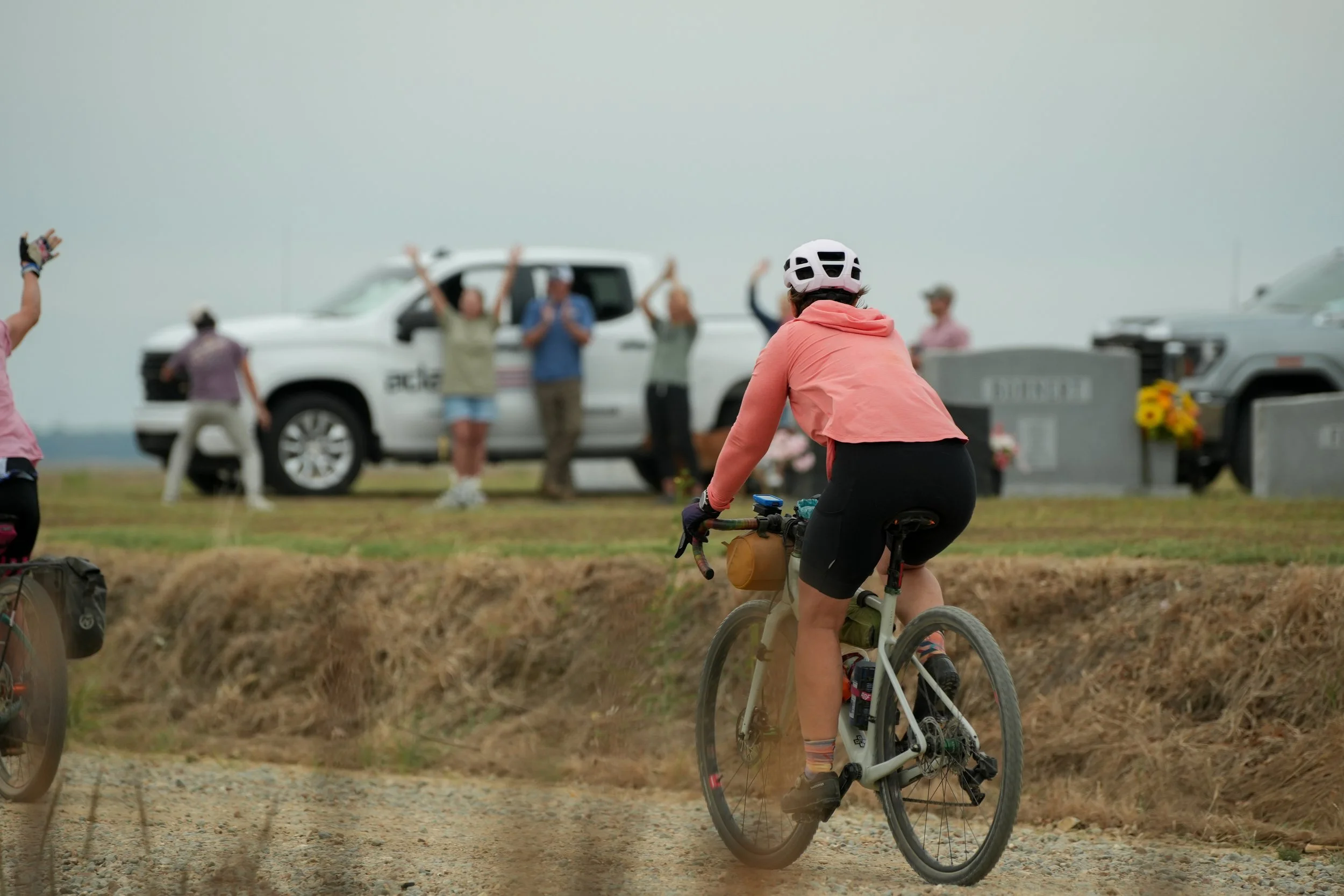
What stood out most, though, was the genuine welcome riders received. In Gillett, a community without many businesses to showcase, residents still chose to support the event with signs and encouragement throughout town. They simply wanted riders to know they were welcome, and those small gestures made a lasting impression.
Experiences like these are what will bring riders back. The Graveler introduced them to the Delta, but it was the hospitality, history, food, and personal connections they found in these communities that gave them a reason to return and explore on their own.”
Delta organizations are already preparing for that opportunity. Delta Magic has convened community meetings in Elaine and Arkansas City and is working with businesses and entrepreneurs along the corridor on trail-related opportunities.
That local leadership provides an important foundation. Partners can contribute resources and experience while supporting priorities that communities identify for themselves.
How the Arkansas Moves model could help
Arkansas Moves is an active mobility infrastructure coalition. We advocate for connected infrastructure that gives people meaningful choices about how they move through their communities.
Our model brings residents, local governments, businesses, and other partners together around specific destinations and the barriers to reaching them.
For Arkansas Moves’ Bret McCormick, the Graveler also opened a conversation about how bicycling could serve local families:
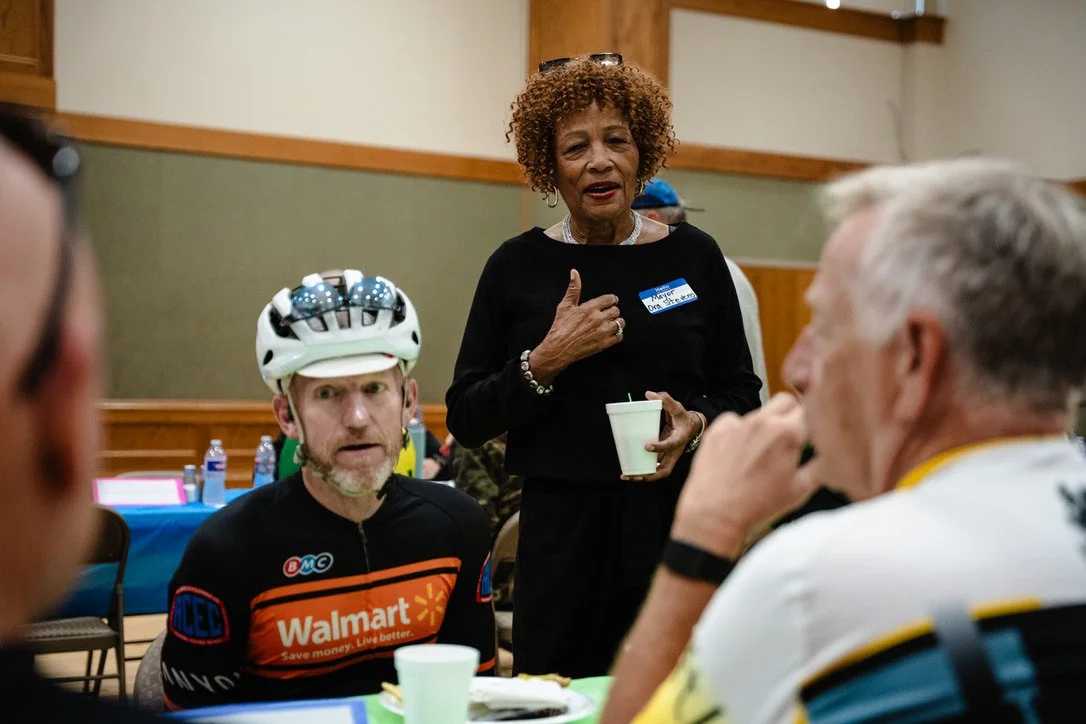
“One of the most meaningful moments of the Arkansas Graveler didn’t happen on the dirt, but around the table at First Baptist Church in Marianna. When Michael Spivey connected me with Mayor Ora Stevens over breakfast, her passion for community wellness was front and center. She asked how Arkansas Moves can help Marianna start youth bike trains, instill practical road safety, and inspire neighbors of all ages to get moving and active. We’re working to map out the next steps to meet to assist.”
That conversation points to the potential for a visitor experience to spark an ongoing partnership shaped by local interests.
Explore more with Teri and Bret McCormick
Teri and Bret McCormick have created a YouTube channel, offering another way to connect with their experiences and perspective. As you consider your own visit to the Delta, take a look at their video below.
Watch Terri and Bret McCormick’s video on YouTube.
Along the Delta Heritage Trail, that approach could support locally led conversations about connections between trailheads and town centers, comfortable crossings, wayfinding, and access to community destinations.
A working group could begin with a simple exercise: identify where residents and visitors want to go, then walk or ride the connection together. That shared experience can help turn a broad discussion about economic development into a practical list of infrastructure priorities.
Community rides, ribbon cuttings, and other gatherings could introduce those connections, recognize progress, and give residents opportunities to participate.
This would be a partnership shaped by each community’s interests and capacity. The goal would be to support existing local efforts and help connect people with the partners needed to move priorities forward.
Opportunity beyond an event
Events such as the Graveler can introduce people to a region and give them a reason to return. Permanent infrastructure can support visits throughout the year.
The same connections can also serve residents: a route to a nearby business, a place to walk with family, or another way to reach a community gathering.
As economic opportunities develop, communities can track useful indicators such as business participation, visitor spending, overnight stays, and residents’ access to the trail. Those measures can help partners understand what is working and where additional investment would help.
The Delta already has the places, people, and stories that make it worth experiencing. The approaching completion of the Delta Heritage Trail offers another way to connect with them.
For Arkansas Moves, the opportunity is to support infrastructure and local partnerships that help those connections benefit the communities along the way.